
What Serotonin Actually Does
From Hypoxia to Lobsters and the Stress Response

It’s the warm-and-fussy chemical. It’s also the chemical of dominance and status. But also a stress hormone that’s bad for us. And also a trigger for mass shootings. Serotonin is different things depending on what neighbourhood of the internet you find yourself in (and the dogmatic leanings of the communities that dwell there).
We are confused about serotonin. And perhaps this should come as no surprise. For decades, the official story has been that serotonin is a mood-altering chemical and, when we are low on serotonin, we become depressed. This notion was quickly dispelled by research (as far back as 1974). But the explanation was still convenient and neat – plus, most importantly, a highly profitable – that it became the go-to line that doctors lean on whenever they encounter patients hesitant to tend to their emotional problems with a drug.
As we’ve seen repeatedly in recent years, whenever authorities push obvious mistruths, it creates a vacuum in which the public will seek out alternative explanations and often settle on any that speaks to them. This is a particular problem for serotonin, whose role in life-and-death situations over millions of years has permitted a whole host of adaptions (and, consequently, several layers of complexity to its function).
Added to that, the cost of misunderstanding serotonin’s role can be huge. As it stands, anyone who reports low mood, fatigue or even hormonal imbalances to their doctor will most likely be met with a recommendation for SSRI drugs. As a result, knowing what serotonin does for your body and brain has become increasingly important in order to advocate for your own health and make medical decisions that align with your aims.

Why This Matters More Than You Think
Serotonin isn't just another neurotransmitter. It's a core regulator that touches virtually every aspect of human physiology. Beyond its well-known roles in mood and gut function, serotonin orchestrates immune activity, influences mitochondrial function. Crucially, it serves as a critical signalling molecule during hypoxic stress. When oxygen becomes scarce, serotonin helps coordinate the body's emergency response, impacting the metabolism through both vascular constriction and metabolic shifts.
Understanding serotonin's true role matters because when this signalling goes wrong, the consequences cascade through multiple systems. Disrupted serotonin activity doesn't just affect mood. It can impair cellular energy production, compromise immune function, and leave individuals stuck in maladaptive stress responses. Yet current approaches to "fixing" serotonin problems often ignore the evolutionary context that explains why this molecule exists in the first place.
Serotonin's 600-Million Year History in Surviving Hypoxia
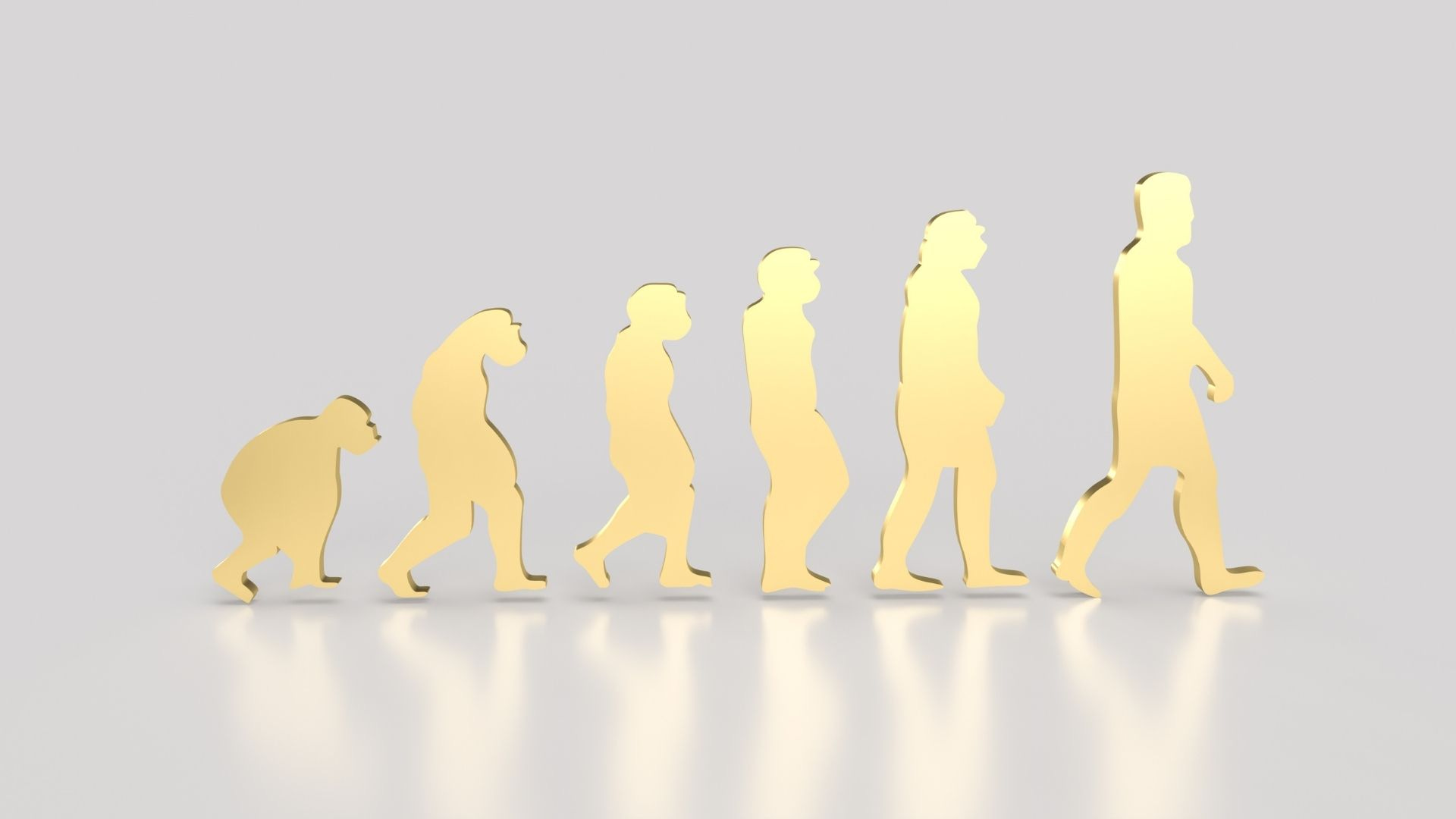
To understand serotonin, we must go back to its evolutionary origins. Long before it became associated with happiness or dominance, serotonin evolved as a response to one of life's most fundamental challenges: oxygen deprivation.
The name itself provides a clue. Serotonin was originally discovered as a "serum tonic factor"—a substance in blood that caused powerful vasoconstriction. This wasn't coincidental. In early metazoans, serotonin's primary job was crisis management during hypoxic conditions. When oxygen became scarce, serotonin would initiate swift muscular contractions and vascular changes to redirect whatever oxygen remained toward vital organs.
This ancient function explains why serotonin receptors first appeared on vascular smooth muscle and contractile tissues, long before complex nervous systems evolved. The last common ancestor of humans and lobsters—a primitive bilaterian some 600 million years ago—already possessed the basic serotonergic machinery for managing physiological stress and oxygen distribution.
Evolution's co-opting serotonin: From Survival Tool to Social Signal
Here's where the story becomes fascinating. Hypoxic crises rarely occur in isolation—they typically accompany life-threatening situations. First principles of evolution dictate that any genetic mutation that aided survival will be rewarded; given that spikes in serotonin production occurred in response to grave danger and the copious opportunities for such mutations over time; sure enough, we see a host of adaptions. Each was rewarded because it helped the individual better respond to the stress they just faced (both through improved survival of the challenge itself and through avoiding similar threats going forward).
This makes sense: any organism that could not only survive oxygen deprivation but also learn from these experiences would have enormous survival advantages. This set the scene for adaptions that impacted on responses during such challenges – ie. resource management, reflexive behaviours, leveraging social bonds/support – but also on what played out after the event, ie. interactions with the stress response and machinery used to aid physical recovery, tendency towards introspection (to make better sense of why we encountered the threat in the first place and to consider how we can better avoid it in future).
As nervous systems grew more sophisticated, natural selection co-opted serotonin's existing crisis-response machinery for increasingly complex functions. Different receptor subtypes evolved (5-HT1A, 5-HT2A, 5-HT3, and others), each responding to different environmental factors and permitting more selective adaptive responses.
In mammals, and especially humans, this evolutionary tinkering left us with an exquisite and nuanced capacity to respond to different types of stressful situations. Serotonin could now not only manage immediate physiological threats but also modulate aggression, promote behavioral inhibition (thinking twice) when appropriate, and—perhaps most importantly—enhance neuroplasticity to improve future decision-making. The same molecule that once simply constricted blood vessels during oxygen crises became a sophisticated tool for learning from dangerous experiences.
The mitochondria were also co-opted. Serotonin receptors appeared on mitochondrial membranes, allowing the molecule to fine-tune cellular energy production during stress. This created an elegant system where the same signal that managed vascular crises could now go one step further and also optimize energy metabolism at the cellular level.
As you might imagine, these adaptations proved particularly advantageous on their own but even more so when synchronized with other aspects of the stress response. Case in point: the relationship between serotonin, the hypothalamic-pituitary-adrenal (HPA) axis and cortisol. Higher cortisol activity enhances serotonin trafficking and promotes what we might call a "pro-introspective" state. This makes evolutionary sense—the phase after a threat has passed is marked by a drop in adrenaline but a sustained elevation of cortisol (ie. a cortisol-dominant state). This just so happens to be a state where a human would benefit from enhanced reflection and learning (serotonin-mediated neuroplasticity) to avoid similar dangers in the future. When such a mutation occurred, it was handsomely rewarded.
Different evolutionary lineages co-opted this system in distinct ways. Jordan Peterson has famously pointed out how, in lobsters, serotonin promotes dominance and confident posturing. This is useful in their relatively simple social environments. The response occurs through 5-HT2-like receptors that increase motor neuron excitation, producing the characteristic upright, aggressive postures of dominant individuals. In mammals, the same basic machinery evolved more complex regulatory capabilities, including the ability to inhibit aggression when social cooperation proves more advantageous than conflict.
Even platelets joined this evolutionary arms race. As vertebrates developed higher-pressure circulatory systems, any mutation that could speed clotting and reduce blood loss would be heavily selected for. Platelets, a type of immune cell that is found in the bloodstream, learned to scavenge circulating serotonin (mostly gut-derived) using the SERT transporter, store it in dense granules via VMAT2, and release it during injury. This provided a triple benefit: immediate vasoconstriction at wound sites, amplified platelet aggregation, and enhanced endothelial signalling—all using pre-existing serotonin receptor machinery already present in blood vessels.
The Signal vs. The Setting: Serotonin's Contextual Nature
Understanding serotonin's evolutionary heritage reveals a crucial insight: this molecule operates as a contextual cue rather than a simple hormone with predictable effects. Its nuanced impact on neuroplasticity, mood, and behavior depends on the broader physiological environment.
How nuanced? Serotonin’s effect on different areas of the body is highly relevant but, to avoid a descent into tedium, let’s consider serotonin’s relationship with just the stress response (specifically, the activation of the Hypothalamic-Pituitary-Adrenal axis):
Activation of the 5HT1a receptor reduces activation of the HPA axis, providing an inhibitory (calming) tone when serotonin binds to this receptor at the amygdala, hippocampus,
5HT1b induces inhibitory tone but its impact on the HPA axis is context-dependent; it can inhibit excitatory glutamate firing (take a foot off the accelerator) or can inhibit the inhibitory GABA tone (take a foot off the break)
5HT2a is excitatory and activates the HPA axis, as does the 5HT2c receptor and 5HT3 receptor
5HT7 binding helps modulate/tune activation of the HPA axis
In short, there is an array of different receptors, each with differential effects on physiology. There is even variation in the effect of certain receptors, such as 5HT1a, depending on whether it is positioned post-synaptically (on the neuron receiving the signal) or pre-synaptically (on the neuron sending the signal, where it is used as a way of measuring how much the neuron has pumped out and if it needs to dial it back). This is a remarkable example of both the complexity and elegance of the human nervous system’s 600-million year game of trial-and-error, consistently rewarding mutations that provided our ancestors with ever more capacity to adapt to the delicacies of life within a complex social set-up.
We can more easily grasp the true utility this setup we have inherited when looking look at how each receptor allows for better tuning of serotonin-driven responses based on all the available information. Or, in other words, to more adaptively promote changes in behaviour and physiology to a different types of situations where we were forced to find more energy resources than we available at baseline (aka stressful situations). We see this fine-tuning in response to:
Inflammation reduces the formation of serotonin (through upregulates an enzyme called IDO, that ‘steals’ serotonin precursors), and its activity (upregulating the serotonin transporter to speed up clearance from the synapses) but also interacts with the receptors. It modulates 5HT1a activity, increasing it in the face of moderate inflammatory activity but downregulating it when inflammation is particularly potent; this permits a scenarios where neuroplasticity (and learning how better to avoid repeat scenarios) can occur during moderate challenges but this this investment of resources is shut down when it is ‘all hands on deck’. Inflammation also dials up activity at the 5HT2C receptor to drive ‘sickness behaviour’ (anorexia, fatigue and anhedonia).
Energy signalling exerts profound influences. Insulin has a powerful-yet-underdiscussed calming effect (and does so via 5HT1a receptors); this mechanism helps explain why we may see challenges in these functions in cases of insulin resistance). Leptin, the satiety hormone, enhances 5HT2C but does so at POMC cells in the hypothalamus that control appetite (highlighting the importance of serotonin in regulation of body weight).
Stress impacts on serotonin receptors, doing so in different ways at different phases of the stress response. While the physiological stress sees a rise in serotonin output in acute situations, this gives way to a more selective distribution in a cortisol-led state as we recover from this stress, with cortisol enhancing post-synaptic 5HT1a receptors (helping to turn off the stress response now it is not permitted) while inhibiting pre-synaptic 5HT1a receptors (avoiding a shutdown in serotonin release, and permitting its pro-adaptive effects at a time it is especially beneficial). As we might expect, chronically high cortisol leads to loss of sensitivity at receptors, which both severely impairs neuroplasticity/adaption in chronic stress conditions and also provides a platform for the misunderstanding of cortisol’s role (with some eyeing A. high cortisol state and B. dysregulated serotonin and then concluding that ‘cortisol is bad’, without accounting for the downward swing in cortisol receptor response over time).
Estrogen upregulates several sub-types of serotonin receptors (with varying effects of 5HT1a and boosting 5HT2a receptor activity) that is especially relevant to emotional sensitivity and mood, while testosterone downregulates 5HT1a receptors in some areas and modulates 5HT2a receptors, while also restoring low SERT (serotonin transporter) activity. It has variable effects on the 5HT1b receptor (depending on testosterone and DHT ratios), which can either results in increased impulsive aggression or increase our ability to reign this in.
An understandable question at this point is: just how am I meant to both understand all this? And integrate it into decisions on treatment?
The good news is that full assimilation of the data – the mechanistic relationships for all receptor sub-types, and their dynamic interplay in different circumstances - is neither realistic or necessary. The only essential takeaway here is the principle. And this principle is that evolution has engineered a scenario where serotonin is a contextual cue. Thus, our job is not a futile attempt to produce the ‘perfect’ serotonin-regulation protocol, but instead to:
A) consider the environmental/metabolic challenges that any individual is facing (and therefore what serotonin response may be appropriate) and what challenges may interfere/disturb an appropriate response
B) remove the obstacles and let the body do the rest
Let’s ground this with two simple examples, one of inflammation and one of impaired adrenal response (both are common)
When inflammatory markers like IL-1β are elevated, serotonin's neuroplastic benefits vanish. Without adequate cortisol sensitivity, serotonin can't properly regulate its own autoreceptors (particularly 5-HT1A), leading to dysregulated signalling.
These situations call for different steps to remove the obstacles but the principle applies for both: in either scenario, if we just through in serotonin support – be that the use of SSRIs in mainstream medicine or 5-HTP supplementation in alternative circles – we must recognize that we are spiking serotonin levels without taking any steps to correct misleading environmental cues. In such scenarios, we should expect variable (and often problematic) results. And we do.
This context-dependency explains why simply boosting serotonin levels produces wildly unpredictable outcomes. As with any molecule that functions as a contextual signal rather than a direct effector, individual responses rarely match average results from scientific studies.
The SSRI Gamble and the ‘Chemical Imbalance’ Theory
Mainstream psychiatry's approach to serotonin exemplifies how ignoring evolutionary context creates problems. The ‘chemical imbalance’ theory dictates that that depression results from low brain serotonin and this can be corrected with drugs. Neat as this theory may be, it has been repeatedly falsified by research (see here, here, and here). Yet SSRIs remain the standard of care, with frontline doctors often presenting them as simple neurochemical corrections.
Given what we now know about serotonin (and the complexities of different receptor sub-types and their variable action depending on hormonal, inflammatory and energetic status), we would expect a drug like SSRIs – that boost serotonin status to 200-700% of its usual baseline – to produce powerful but variable responses. We would expect a certain percentage of individuals to be helped and a certain percentage to be harmed.
Meta-analyses, such as a 2009 Cochrane review and a 2018 paper in The Lancet, show that only a small proportion actually experience a benefit from the drug compared to placebo (with an NNT/Number Needed to Treat of 8-14, meaning that between 8-14 individuals needed to take the drug for one to benefit). Crucially, this means that the rate at which improvements occur is highly disappointing yet still statistically significant (as in it wasn’t due to chance alone).
Of course, very rarely is the miserable rate of response discussed with patients, who tend to be told that ‘this drug is evidence-based’. What they are not told is that this ‘evidence-based’ is no guarantee that the drug is effective (indeed, without knowing anything else about an individual, we can determine from the analyses above that there is a 88-93% chance that they will experience no benefit from SSRIs) and often have no discussion on the likelihood of side-effects.
How common are side-effects? It’s hard to know, due to the lack of observation in many trials that, incredibly, never ask the participants if they are experiencing any adverse effects (and list anyone who had to drop out because of more extreme side-effects as simply ‘lost to follow-up’ and thus removed from any such counts). This is, of course, if the trial bother even reporting any side-effects at all; a 2015 Cochrane review noted that a third of the 150 trials they assessed entirely omitted data on adverse events.
Other trials, when re-analysed using the actual raw data (rather than that published), have been shown to actively hide side-effects altogether by reallocating serious side-effects to the placebo group while other industry-sponsored trials deployed methodology that removed SSRIs at the start of the study and put these individuals in the ‘placebo’ group (generating a group where this arm contained many were experiencing side-effects from withdrawal, thus reducing the difference between the rate of side-effects observed in those taking the SSRIs and those taking no medication). Patients are not told that most figures come only from the randomized controlled trials (industry-sponsored) and that the scope and the duration at which side-effects are recorded is token in nature, and requires individuals to actively report this.
Studies that use more rational approaches – actually asking patients if they are experiencing side-effects – find the rates of adverse events to be much higher (eg. sexual side-effects were found in 71% of those taking these drugs long-term, despite being officially classified as ‘rare’). Patients are rarely told about the rate of side-effects upon withdrawal (55% according to a New Zealand study that surveyed those who had removed them after long-term use).
Let’s recap on what to take from the above. SSRIs boost serotonin to unnaturally high levels without regard for physiological context (the role of cortisol activity, inflammation, energy signalling, etc). Given serotonin's role in aggression modulation, mitochondrial function, and stress signaling, we should expect unpredictable results—and that's exactly what we observe. Some individuals experience increased aggression, which speaks to the potential link between SSRI use and mass shootings in the US (a link that has been made by many on available evidence yet disputed by our trusted ‘fact-checkers’, with the gaps in the evidence making it difficult to quantify such a relationship and industry resistance leaving us with little hope of closing such gaps). Less disputed is how many users develop anhedonia or persistent mitochondrial problems that can linger long after medication withdrawal (yes, SSRIs are toxic to the mitochondria).

The "Pro-Metabolic" Dogma: A Rash Hypothesis That Doesn’t Stand Up to the Evidence
Trying to put anything into a neat box is challenging, but especially in the case of serotonin, and how theories that do not respect evolution will leave us without context when doing so. Over recent years, I have regularly encountered the ideas of the ‘pro-metabolic community’, sometimes called Peaters (due to their application of the ideas of the late Ray Peat). One of the requirements for entry to this community is that one believes that serotonin is bad.
This is a big statement to make. Like many substances in the body, the manufacture of serotonin comes at a cost to the organism; the fact that it has been conserved across all invertebrates and vertebrates. In other words, if any such mutation ever occurred that blocked serotonin production, it was immediately weeded out. It is incontrovertible that serotonin provides crucial advantages for humans and other species.
So what is the basis of this claim that we should block or lower serotonin output? It is often difficult to find the specific rational when I come across such claims but, when I have, the explanations provided have centred on either a) evidence falsifying the ‘low serotonin causes depression’ and b) very selective evidence from mechanistic studies in rodents, highlighting only studies that agree with the serotonin-is-bad idea while ignoring similar studies were a benefit was found and c) highlighting that serotonin rises in stress (and is thus a ‘stress hormone’ and thus is ‘bad’) and can increase cortisol (another hormone the community perceives as ‘bad’; this is a profound misunderstanding and discussed in my article here).
As I hope is obvious from the discussion above, it is clear that the mainstream view is wrong and over-simplistic. But taking the opposite view is equally simplistic and comes with equal flaws.
It does not and cannot account for the complexity of serotonin signalling. The evidence above clearly outlines how evolution has equipped us with a variety of different receptor sub-types, each tasked with tuning our responses to stress in nuanced ways and each formed to modify its contribution based on environmental, hormonal and metabolic status. The fact that we see conflicts in similar studies entirely supports the idea of serotonin as a powerful contextual cue, one that will inevitably drive different outcomes in different circumstances, and immediately bursts the idea that it is ‘bad’. The fact it should be considered ‘bad’ because it rises in response to stress is a non-starter; it is meant to and this the most essential property through which it helps. When exposed to stress, it is adaptive to launch a stress response.
I find there to be a lot of confirmation bias in these arguments, and this is seen both in general discussion and in specific examples. Eg. when hypoxia occurs, the body needs increased glycolysis to maintain energy production—and serotonin helps facilitate this adaptive response. Yet pro-metabolic advocates interpret this as negative because "increased glycolysis also occurs in cancer, therefore serotonin is bad." This is a big leap and conflates appropriate physiological responses with pathological states. There are times you want increased glycolysis and times you don’t. Serotonin dials it up when you do.
In short, Peat was a very interesting (and contrarian) thinker who advanced a number of arguments ahead of his time (seed oils being one such example of when he was way ahead of the curve). However, not all points panned out and the argument that serotonin is ‘bad’ is a non-starter and is at odds with evolution. It is also discordant with the bulk of the scientific literature and crumbles when exposed to real-life scenarios (if serotonin is so ‘bad’, why has MDMA-assisted psychotherapy produced such stunning results in PTSD?).

Practical Applications: Who Needs Support and How
Serotonin levels typically become problematically low under two primary conditions: excessive stress/inflammation or nutritional deficiencies. Chronic stress and inflammation upregulates the TDO and IDO enzymes, respectively, which shunt tryptophan away from serotonin production toward other pathways. Deficiencies in B6 or folate can similarly impair serotonin synthesis.
Most critically, cortisol plays an indispensable role in serotonin trafficking, primarily through the 5-HT1A autoreceptor and by influencing intracellular distribution (relevant for mitochondrial effects). Individuals with chronic fatigue, treatment-resistant conditions, or prolonged stress invariably develop reduced cortisol sensitivity, which dramatically affects how serotonin is distributed and utilized throughout the body.
Gut issues present another common problem. Excessive serotonin utilization by intestinal mast cells and platelets can deplete precursors needed for central nervous system production, creating a competitive drain on tryptophan that means there is less available in the brain, as well as contributing to central inflammation (something that drives transporters to limit the level of serotonin in the synapse and impacts on receptor activity).
One crucial point here is that many individuals, especially those who have been subject to sustained stress or inflammatory burdens, may logically conclude that serotonin support is warranted. And they are often right. However, when there is metabolic chaos of any kind, it is common for individuals to feel worse when adding in serotonin supplements (like 5-HTP).
Why is this? When supporting serotonin function, it's crucial to recognize that both neurotransmitter effects and hypoxia-signaling roles can dramatically alter neural circuitry. The dual effects – one on a chemical (neurotransmitter) level and the other on an energetic (metabolic) level – make for a strong impact. In other words, serotonin support has a unusually strong effect in switching on novel signals; this includes sensory signals that may trigger a maladaptive (and unwanted) stress response from the brain’s alarm centres (namely, the amygdala and brain stem). Without attention given to this temporary challenge, it is common to experience vigilance and poor sleep.
It is not a case that ‘5-HTP wrecks your sleep’. More that it has permitted a correction in important signalling but this has unmasked some out-of-date sensory reflexes. Fortunately, this can be handled with both ‘starting low and going slow’ – introducing support in smaller doses, and gradually increasing it to allow an easier adjustment – and somatic techniques (such as breathwork), that help the alarm centres experience these signals for what they are (signals) and update the reflexes that would previously have induced a shift in physiology.
These challenges aptly demonstrate that serotonin is not the ‘warm and fuzzy’ neurotransmitter, instead a molecule that augments an appropriate response to stressors and permits a more fair chance of entering an introspective state. This is a state that, when leveraged effectively, allows us to process stored stressors and become free of the physiological responses that so easily leave us **.
Serotonin status can be assessed through Organic Acids Testing, which measures 5-hydroxyindoleacetic acid (5-HIAA), the primary serotonin metabolite. This also determines whether your cells are subject to any hypoxia (a scenario that calls for higher serotonin output but doesn’t always get it). Cortisol output can be measured in an Adrenal Stress Profile (a salivary test that also tracks DHEA).
Levels can be reliably increased using 5-hydroxytryptophan (5-HTP) supplementation. Unlike tryptophan, which is found in the diet but must compete with other amino acids for transport across the blood-brain barrier and can be diverted into alternative pathways, 5-HTP bypasses these bottlenecks. It crosses the blood-brain barrier via a dedicated transporter and is directly converted to serotonin by aromatic L-amino acid decarboxylase (AADC), an enzyme found throughout the body but particularly concentrated in nervous tissue. This makes 5-HTP a more reliable method for specifically supporting serotonin production compared to tryptophan supplementation.

Takeaways: From Understanding to Action
Serotonin evolved as an ancient stress-response molecule for managing hypoxic crises, explaining its primary roles in vascular function and oxygen distribution
Evolution co-opted this basic system for increasingly sophisticated functions, including neuroplasticity, behavioral modulation, and mitochondrial optimization
Serotonin functions as a contextual cue rather than a simple hormone, making its effects highly dependent on physiological environment
Both psychiatric medicine (SSRIs) and pro-metabolic dogma miss the evolutionary context, leading to oversimplified and often counterproductive approaches
Effective serotonin support requires addressing underlying stress, inflammation, nutritional status, and especially cortisol sensitivity
Individual responses to serotonin interventions vary dramatically – due to the various factors that determine activity at different serotonin receptor sub-types - and this is why individual responses rarely match population averages from studies
5-HTP supplementation offers a more direct route to supporting serotonin production than tryptophan, but throwing in supplements without addressing the other factors that contribute to serotonin’s action may result in unnecessary challenges
Understanding serotonin's true evolutionary role provides a framework for more intelligent therapeutic approaches
The serotonin story illustrates a broader principle: molecules that evolved over hundreds of millions of years rarely yield their secrets to reductive thinking. Only by understanding the evolutionary pressures that shaped these systems can we hope to work with them effectively rather than against them.
Next Steps:
If you’ve experienced challenges with mood, fatigue or hormonal imbalances and b) would prefer to determine the cause of such issues instead of spiking your serotonin levels and hoping for the best, the next step is determining exactly what burdens your system is facing and what sequence of interventions will work for YOUR specific challenges.
1. Get an Organic Acids Test / Adrenal Stress Profile and work on the results with your existing practitioner. My newly-launched Lucid Labs project offers a range of functional tests, including the Organic Acids Test and Adrenal Stress Profile discussed in this article, and includes a personalised interpretation in the list price. This is a urinary test that you take at home and measures over 50 markers across different zones of the metabolism, which include the mitochondrial energy pathways. Find it for the US here and the UK here.
2. Work with me. I work with a limited number of clients one-on-one to:
Determine what your serotonin status actually is and establish what factors may stop it from having the desired effects on metabolism and mood
Assess what role this has on the ‘big picture’ and identify what responses are likely (and any challenges you may experience from the changes to your inner environment that occur from removing such blockages)
Create a personalized protocol that enhances your current resources rather than testing them
Guide you through the recovery process so you know when you are on track (or not) and don't waste months on the wrong approaches
If you're ready to stop guessing and start with a clear roadmap based on your actual physiology, book a 15-minute call here to see if this approach is right for you.